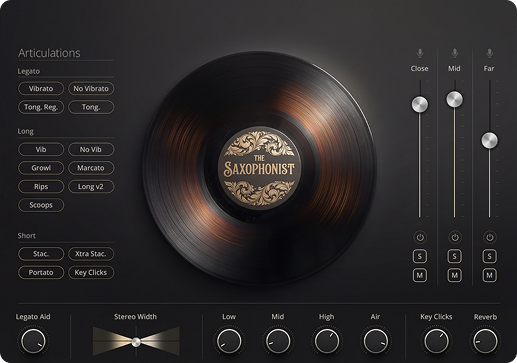
Auddict's AI-P pipeline rewrites the rules of sample editing — processing every waveform in The Saxophonist at a precision no human team could match. Not just legato transitions, but sustains, shorts, growls, scoops, and rips all benefit from micro-level refinement across 3 mic positions and up to 7 round robins. Legato Aid actively fixes gaps and stumbles as you perform, so your first take sounds polished. 15+ articulations. Studio-grade results.
PROPRIETARY AI-P PIPELINE. TWICE THE REALISM. 15 PLAYABLE ARTICULATIONS. 4 LEGATO TYPES. 7X ROUND ROBIN SHORTS. 3 MIXABLE MICS. REAL-TIME LEGATO AID. GROWL & RIP LONGS. UP TO 4 DYNAMIC LAYERS. ONBOARD EQ & REVERB. SOLO ALTO SAX.

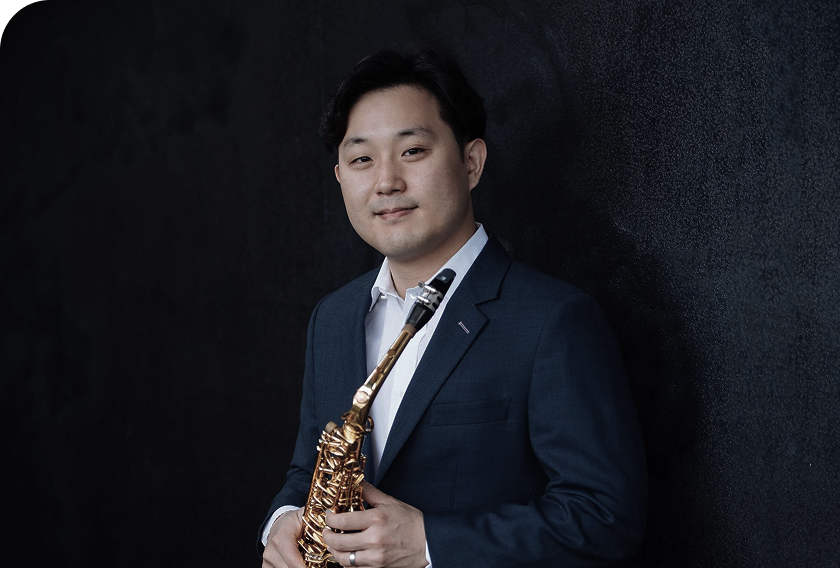
Praised by New York Concert Review for delivering "a knockout performance," Wonki Lee is one of the leading classical saxophonists of his generation. A Yamaha Performing Artist performing on Custom 875 EX saxophones, Lee has graced stages from Lincoln Center to the Seoul Arts Center and Tokyo's Yamaha Ginza. He's collaborated with conductors like Leonard Slatkin and Robert Spano, released four solo albums, and serves as Assistant Professor of Saxophone at Montana State University. His lyrical tone and technical precision are captured in every note of this library — you're not just playing samples, you're channeling a world-class artist.
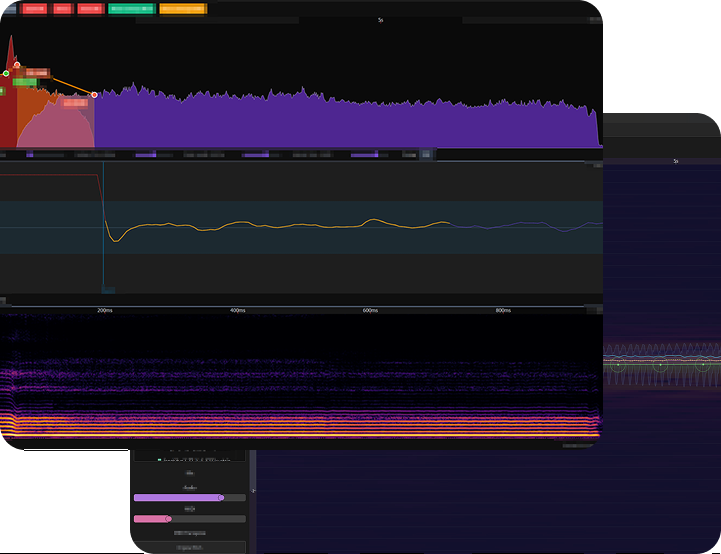
Every single sample in The Saxophonist has been processed through Auddict's proprietary AI-P pipeline — a technology that edits audio at the individual waveform level with a precision no human team could achieve. This isn't just about legato. Every sustain, every staccato, every growl and rip has been refined at the micro-level, eliminating the artifacts that make sampled instruments sound sampled. The result across the entire library is transitions that are twice as realistic as conventional methods produce. We've cut the crossfade problem in half. You hear it instantly: notes that connect, breathe, and move like a real performance.

The Saxophonist's Legato Aid actively corrects your playing as it happens — bridging accidental gaps and smoothing discontinuities between notes in real time. The result is a remarkably performable instrument that requires far less MIDI cleanup afterwards. Pair that with 4 legato types carrying up to 4 dynamic layers each, 7 round robins on every short articulation with dynamic layers stacked so deep they defy a simple number, and 3 independently mixable mic positions. From staccatissimo snaps to soaring vibrato sustains, 15 articulations cover everything the alto saxophone can do — growls, rips, scoops, and all.
%20(1).png)
The Saxophonist is the inaugural release built on Auddict's proprietary AI-P (AI Processing) pipeline. This technology operates at the individual waveform level, editing each sample with a degree of precision that would take a human engineering team centuries to replicate manually. Every transition, every onset, every tail has been microscopically refined. The result is legato and note connections measured at twice the realism of conventional sample editing. This isn't a marketing abstraction — it's a fundamentally new approach to how virtual instrument samples are prepared, and it touches every single sample in the library.
Every note was performed by Wonki Lee, a Yamaha Performing Artist playing Custom 875 EX alto saxophones. Praised by New York Concert Review for delivering "a knockout performance," Lee has performed at Lincoln Center, Seoul Arts Center, and Tokyo's Yamaha Ginza. He has collaborated with conductors Leonard Slatkin and Robert Spano, released four solo albums, and holds the position of Assistant Professor of Saxophone at Montana State University. His lyrical tone and technical command are embedded in every articulation of this library.
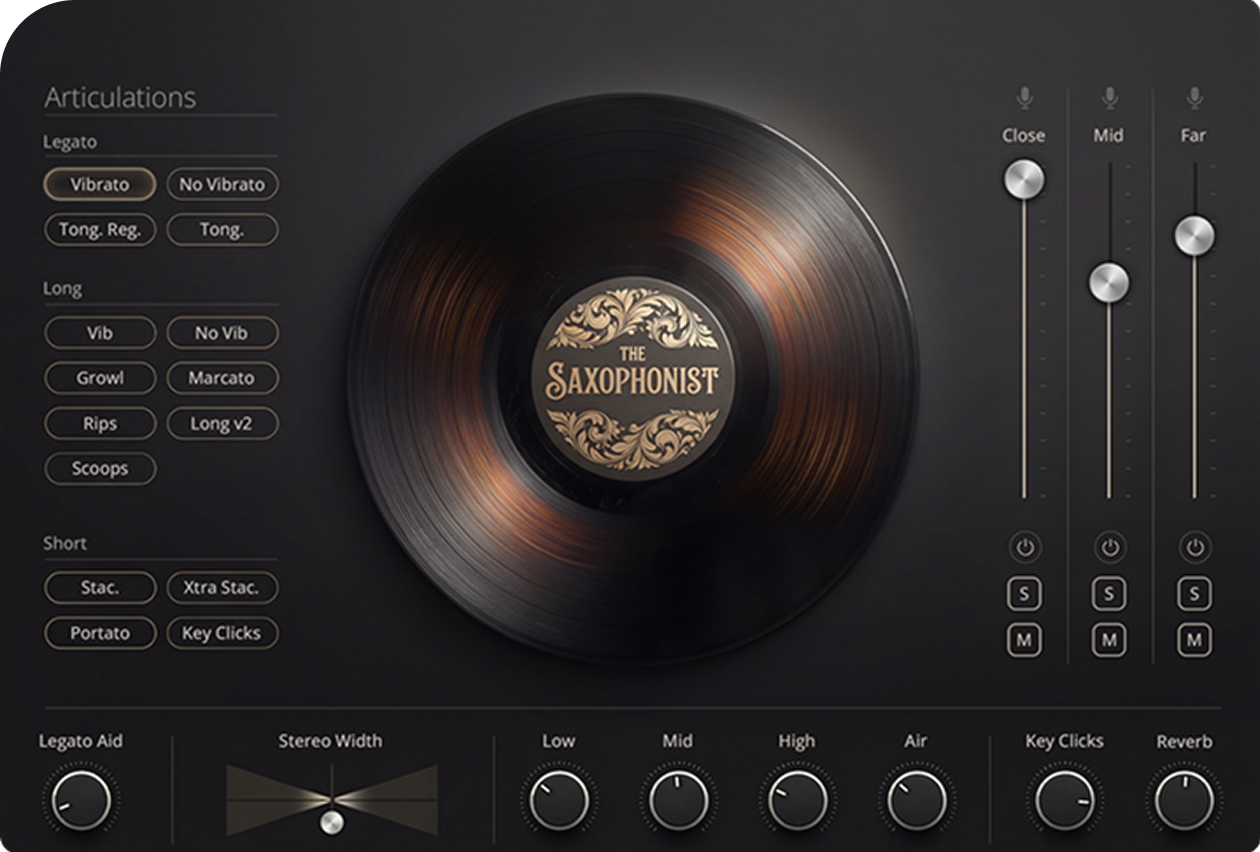
Four distinct legato types capture the full expressive range of alto saxophone phrasing: Slurred Vibrato, Slurred No Vibrato, Tongued, and Regular Tongued. Legatos are up to 4x dynamic layers. Combined with AI-P waveform processing, these legatos deliver seamless note-to-note transitions with organic timbral shifts — the hallmark of real saxophone playing that conventional virtual instruments consistently fail to reproduce.
Seven long articulation types provide broad expressive coverage. Sustains Vibrato, Sustains No Vibrato, Growl, Marcato, Rips, Scoops and an extra Long variation. Ideal for jazz inflections and cinematic scoring gestures.
Four short articulation types ensure rhythmic precision and textural variety. Staccato, Staccatissimo, and Portato each deliver 7 round robins over a number of dynamic layers so high it's not even worth writing. The dynamic layers are graded in number over range, for a natural feel, eliminating machine-gun repetition entirely. Key Clicks are provided as both a playable short articulation and a separate short layer that can be blended beneath other articulations for added mechanical realism.
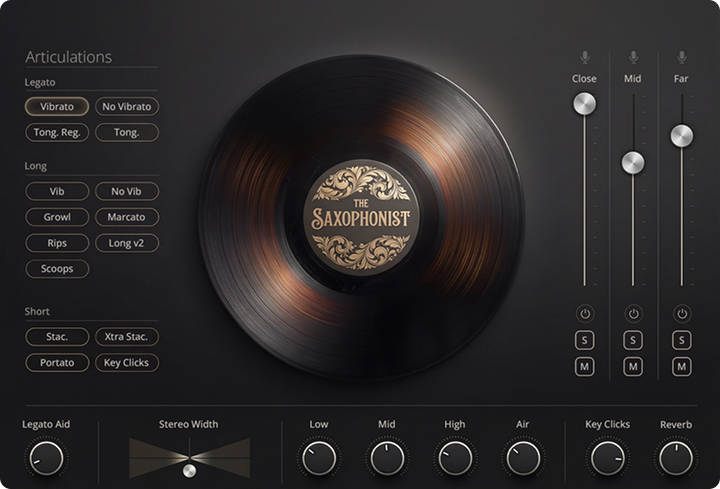
Legato Aid is a real-time performance correction engine that bridges accidental gaps and smooths discontinuities between notes as you play. It means your first take can sound polished without painstaking MIDI editing afterward. The interface groups articulations into clearly labeled Legato, Long, and Short categories. Stereo Width control, a 4-band EQ (Low, Mid, High, Air), and integrated Reverb let you shape your sound without leaving the instrument.
Three independently controllable microphone positions were captured during the recording sessions. Each mic position has its own volume fader, power button, solo button, and mute button, giving you full mixing flexibility inside the instrument. Blend close detail with room ambience, isolate a single perspective, or craft a custom stage position — all without external processing. This three-mic architecture applies across every articulation in the library.
Required: Native Instruments Kontakt 5 or later. Articulations: 15 (4 legato, 7 long, 4 short). Round robins: up to 7 per articulation. Dynamic layers: up to 4 per articulation. Mic positions: 3, independently mixable. Onboard FX: Legato Aid, Stereo Width, 4-band EQ, Reverb, Key Click layer blend.